Freezer-Burned Chicken: Can You Eat It? What It Is and How to Prevent It | How to Cook Chicken
Freezer-burned chicken is a very common concern in home kitchens. When opening the freezer, many people find chicken breasts with freezer burn, whitish or grayish spots, and immediately ask: Is it safe to eat freezer-burned chicken?
In this article, you’ll learn what freezer burn is, why it happens, how to identify it, whether the chicken is still safe to eat, and how to cook freezer-burned chicken properly.
What is freezer burn?
Freezer burn occurs when frozen food is exposed to air inside the freezer. This exposure causes dehydration on the surface of the food, changing its texture, appearance, and flavor.
👉 Simply put, it’s not a heat burn — it’s damage caused by extreme cold and air exposure.
Why does freezer burn happen?
Freezer burn usually happens due to:
- Poorly sealed packaging
- Air trapped inside bags or containers
- Long storage periods in the freezer
- Using thin or improper packaging
Even in modern freezers or built-in kitchen appliances, freezer burn can still occur if food is not well protected.
What does freezer-burned chicken look like?
Knowing how to tell if chicken is freezer burned is essential. The most common signs include:
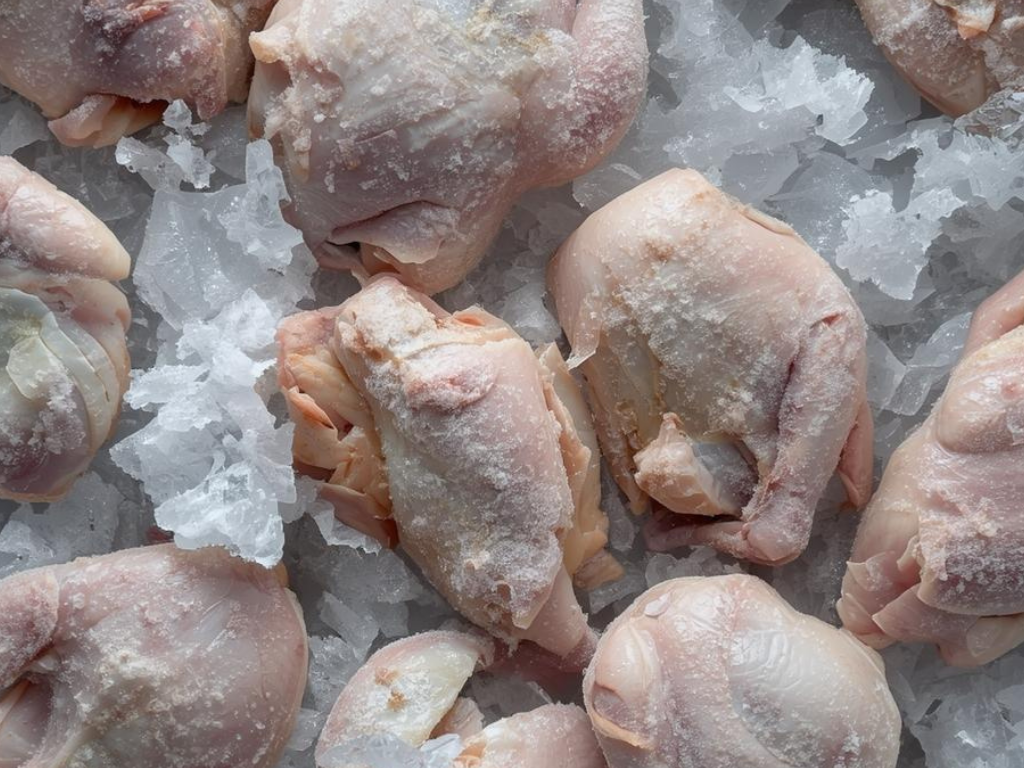
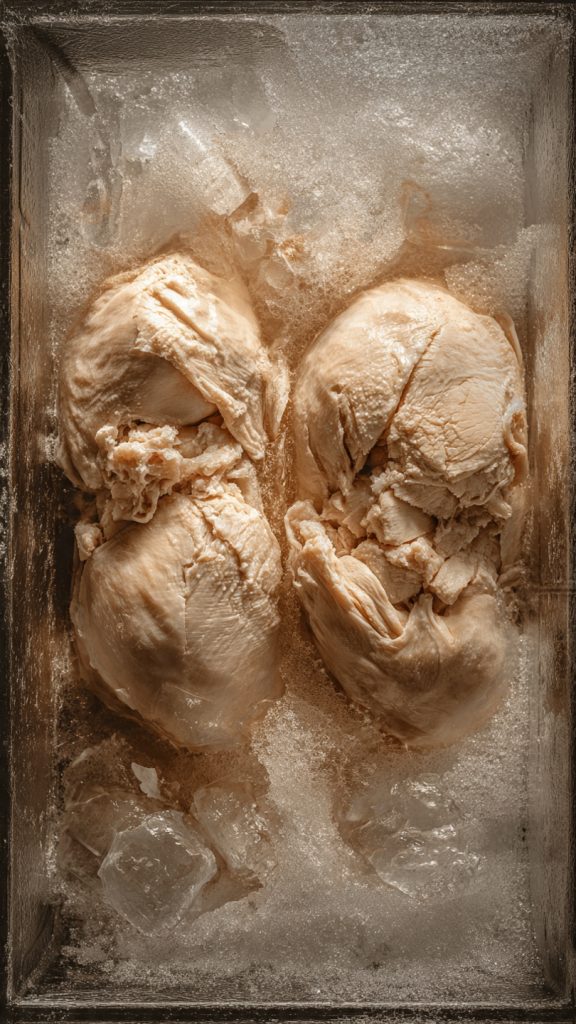
- White, gray, or yellowish patches
- Dry or leathery surface
- Excess ice crystals
- Changes in texture
In freezer-burned chicken breasts, these signs are even more noticeable because the meat is lean.
Is freezer-burned chicken safe?
Yes. Freezer-burned chicken is safe, as long as it:
- Has remained frozen the entire time
- Does not have a strong or unpleasant odor
- Is not slimy after thawing
Freezer burn does not cause bacterial contamination — it only affects food quality.
Can I eat freezer-burned chicken?
Yes, you can eat freezer-burned chicken. However, keep in mind that the flavor of freezer-burned chicken may be:
- Drier
- Less juicy
- Slightly bland
That’s why the cooking method makes all the difference.
How to cook freezer-burned chicken
If you’re going to cook freezer-burned chicken, follow these practical tips:
1. Trim the damaged areas
Cut off the most dried-out sections before cooking.
2. Use marinades
Marinating the chicken with olive oil, lemon juice, garlic, herbs, and spices helps restore flavor and tenderness — a technique often recommended by cooking experts like Laura Fuentes, known for practical protein preparation.
3. Choose moist cooking methods
- Stews
- Boiled dishes
- Shredded chicken
- Recipes with sauces
Avoid grilling or roasting without moisture, as this can make the meat even drier.
When should freezer-burned chicken be discarded?
When should freezer-burned chicken be discarded?
Even though it’s usually safe, discard the chicken if you notice:
- Strong or sour odor
- Greenish or dark discoloration
- Slimy texture after thawing
In these cases, the issue is not just freezer burn.
How to prevent freezer burn on chicken
Prevention is always best. To prevent freezer burn, follow these best practices:
- Use freezer-safe bags
- Remove as much air as possible from packaging
- Vacuum-seal when possible
- Label packages with freezing dates
- Avoid frequently opening the freezer
These simple steps help keep chicken protected, even in modern refrigerators or built-in kitchen appliances.
Conclusion
Freezer-burned chicken doesn’t need to go straight into the trash. While its appearance and flavor may be affected, it is safe to eat in most cases. With proper cooking techniques and preventive storage habits, you can reduce food waste, save money, and still enjoy tasty meals.
If you enjoyed this guide on how to cook chicken and food safety, keep following our blog for more practical kitchen and nutrition tips. 🍗✨