The vegan diet has gained more and more followers, but it still carries many myths and doubts. Let’s demystify some of them:
Myths
- Vegans are malnourished: A well-planned vegan diet can provide all the nutrients needed for a healthy life. The key is the variety of foods, such as vegetables, grains, fruits, seeds and oilseeds.
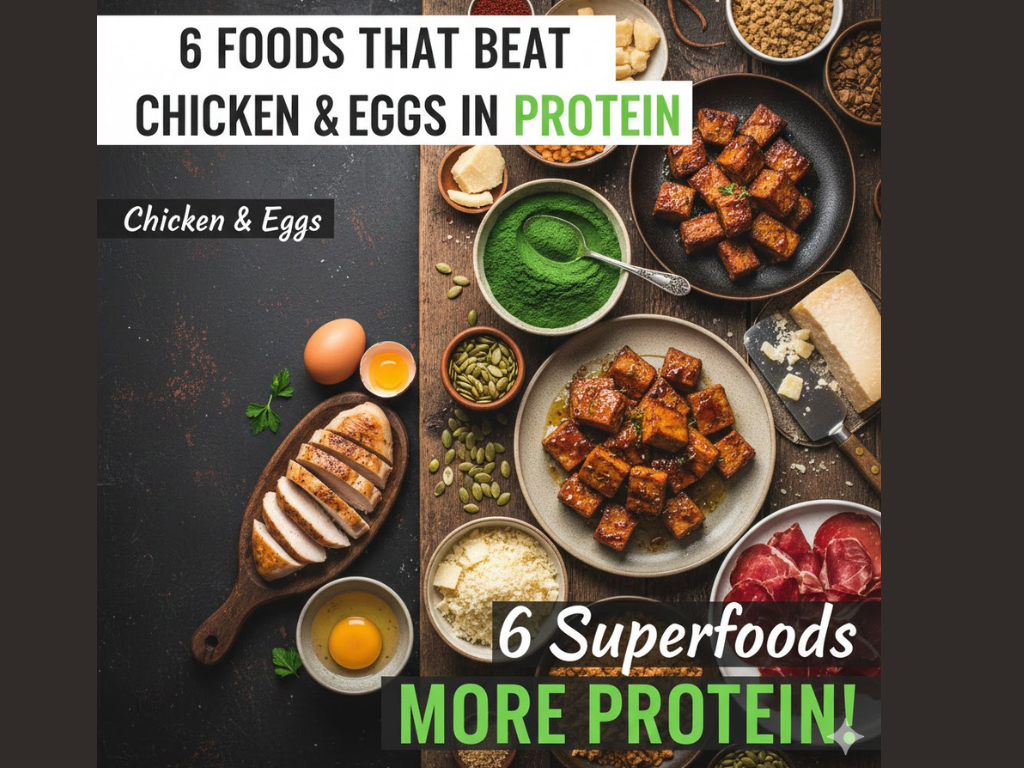
- Vegans cannot gain muscle mass: Although the main source of protein is animal for many, it is possible to build and maintain muscle mass on a vegan diet. Legumes, tofu, tempeh and seeds are great sources of plant-based protein.
- The vegan diet is very expensive: Although some processed vegan foods may be more expensive, the basis of a vegan diet is made up of natural foods, such as vegetables, fruits and grains, which are generally more affordable.
- Vegans cannot be high-performance athletes: Athletes from different disciplines adopt a vegan diet and achieve exceptional results. With adequate nutritional planning, it is possible to obtain the energy and nutrients necessary for high performance.
- The vegan diet is difficult to follow: With the increase in the supply of vegan products and access to diverse recipes, the vegan diet has become easier and more practical than ever. There are several delicious and nutritious options for all occasions.
- Vegans don’t consume enough protein.This is one of the most common myths. In fact, it is possible to obtain high-quality proteins from plant foods such as legumes (beans, lentils, chickpeas), tofu, tempeh, quinoa, seeds and nuts. A well-planned vegan diet can meet anyone’s protein needs, including athletes.
- Vegan diet is automatically healthy: Although the vegan diet may be rich in nutrients, simply eliminating animal products does not guarantee a healthy diet. Vegan ultra-processed foods, such as fried foods, sweets and industrialized substitutes, can be rich in sugars, fats and sodium. Nutritional quality depends on the choice of food.
Truths
1.The vegan diet can reduce the risk of chronic diseases: Studies show that a vegan diet is associated with a lower risk of cardiovascular disease, type 2 diabetes and some types of cancer.
2.It is important to pay attention to the intake of some nutrients: Vegans should pay attention to their intake of vitamin B12, iron, calcium and omega-3s, which are most commonly found in foods of animal origin. Supplementation may be necessary in some cases.
3.Monitoring a nutrition professional is recommended: A nutritionist can assist with planning a vegan diet, ensuring that all nutritional needs are met.
4. It is rich in fiber and antioxidant nutrients:
Vegan diets generally include a wide variety of fruits, vegetables, whole grains and legumes, which are rich in fiber, vitamins (such as vitamin C) and antioxidants. These components are associated with a reduced risk of chronic diseases such as type 2 diabetes, hypertension and cardiovascular disease.
5. May reduce the risk of chronic diseases.
Studies show that a well-balanced vegan diet is associated with reduced risk of diseases such as type 2 diabetes, hypertension, obesity and cardiovascular disease. This occurs due to the high consumption of foods rich in fiber, antioxidants, healthy fats and low in saturated fats.
6.Meets nutritional needs at all stages of life.
According to entities such as the US Academy of Nutrition and Dietetics, a planned vegan diet is suitable for all stages of life, including childhood, adolescence, pregnancy, lactation and for athletes. With a good combination of foods, it is possible to obtain all the necessary nutrients, such as proteins, iron, calcium and omega-3, without resorting to products of animal origin.
7.Contributes to sustainability and the environment.
Plant-based food production generally has a significantly lower environmental impact than meat and dairy production. The vegan diet reduces greenhouse gas emissions, water consumption and deforestation, contributing to a more sustainable planet.